February is Pet Dental Health Month: Tips for Proper Oral Hygiene
February is here, and love is in the air! But while you’re showering your loved ones with affection, don’t forget the furry members of your family. February is National Pet Dental Health Month! Protect your pet’s teeth with regular brushing and dental treats. Consider scheduling a professional dental cleaning to prevent gum disease. Just like us, pets can suffer from dental problems that impact their overall health and happiness. So, when was the last time you checked your pet’s teeth?
Proper dental care can improve your pet’s quality of life and even extend their lifespan. In this guide, we’ll share essential tips to ensure your pet’s teeth stay healthy and strong.
Why Pet Dental Care Matters
Pet dental care is about much more than freshening up bad breath. Dental issues in pets often start small but can escalate quickly if left untreated. Plaque and tartar build-up can lead to gum disease, tooth loss, and even systemic infections that affect your pet’s heart, kidneys, and liver.
Common dental issues in pets include:
- Plaque and tartar build-up: These lead to gum irritation and infection.
- Gingivitis: Inflammation of the gums caused by bacterial infections.
- Periodontal disease: Advanced gum disease that can result in pain, tooth loss, and bone damage.
- Tooth abscesses: Painful infections at the tooth root that often require extraction.
When untreated, dental issues can escalate, causing chronic pain, systemic infections, difficulty eating, malnutrition, and even a shorter lifespan. By prioritizing regular at-home care and professional cleanings, you can protect your pet from these complications and ensure they live a healthy, active, and happy life.
Signs Your Pet May Need Dental Care
Pets are experts at hiding pain, which is why dental issues often go unnoticed until they’re severe. Regularly checking your pet’s mouth for signs of trouble can make a big difference in catching dental problems early. Here are some key symptoms pet owners should watch for that may indicate your pet needs dental care:
- Bad breath: A persistent foul odor isn’t just unpleasant—it’s often a sign of gum disease or bacterial infections.
- Red or swollen gums: Healthy gums should be pink, not red or inflamed.
- Difficulty eating or chewing: Pets with dental pain may drop food or favor one side of their mouth.
- Excessive drooling: While some pets drool naturally, sudden or excessive drooling could point to oral issues.
- Bleeding from the mouth: Blood on chew toys or in saliva is a red flag for advanced gum disease.
If you notice any of these symptoms, schedule a veterinary dental exam promptly. Early detection can prevent pain, costly procedures, and complications, ensuring your pet stays happy and healthy.
The Importance of Professional Dental Exams
Your pet’s dental health is an integral part of their overall well-being, and while at-home dental care is essential, it’s not enough on its own. Just like humans, pets need professional dental care to ensure their teeth and gums stay healthy. Veterinarians play a vital role in identifying and treating dental problems that pet owners may not notice at home. A professional dental exam goes far beyond what a toothbrush or chew toy can achieve.
During a dental exam, our veterinarian will:
- Assess overall oral health: Checking for signs of gum disease, broken teeth, or infections.
- Perform dental X-rays: These help identify hidden issues beneath the gumline.
- Conduct a professional cleaning: Removing plaque and tartar from teeth, including below the gumline where bacteria often thrive.
- Provide treatment if needed: This could include tooth extractions, antibiotics, or other necessary procedures.
These cleanings are typically done under anesthesia to ensure your pet remains comfortable and still during the procedure. Scheduling regular exams can help catch problems early, saving your pet from pain and costly treatments down the road.
Tips for At-Home Dental Care
You can make a big difference in your pet’s oral health by establishing a dental care routine at home. Here are some simple and effective ways to keep your pet’s teeth healthy:
- Brush Their Teeth
Brushing your pet’s teeth may sound daunting, but it’s one of the best ways to prevent dental disease. Use a pet-safe toothpaste (never human toothpaste) and a soft-bristled brush designed for pets. Start slowly, introducing the toothbrush gradually, and aim to brush a few times a week.
- Offer Dental Treats and Chews
Enjoyable and effective, dental chews and treats help combat plaque and tartar while keeping your pet happy. Look for options approved by the Veterinary Oral Health Council (VOHC) for proven results.
- Use Water Additives
Adding pet-safe dental water additives to your pet’s bowl can help freshen breath and fight bacteria. It’s a convenient option for pets who aren’t keen on toothbrushing.
- Provide Chew Toys
Chew toys offer more than fun; they can actively support your pet’s dental health by helping to remove plaque. Choose durable, non-toxic toys that are appropriate for your pet’s size and chewing style.
- Inspect Their Mouth Regularly
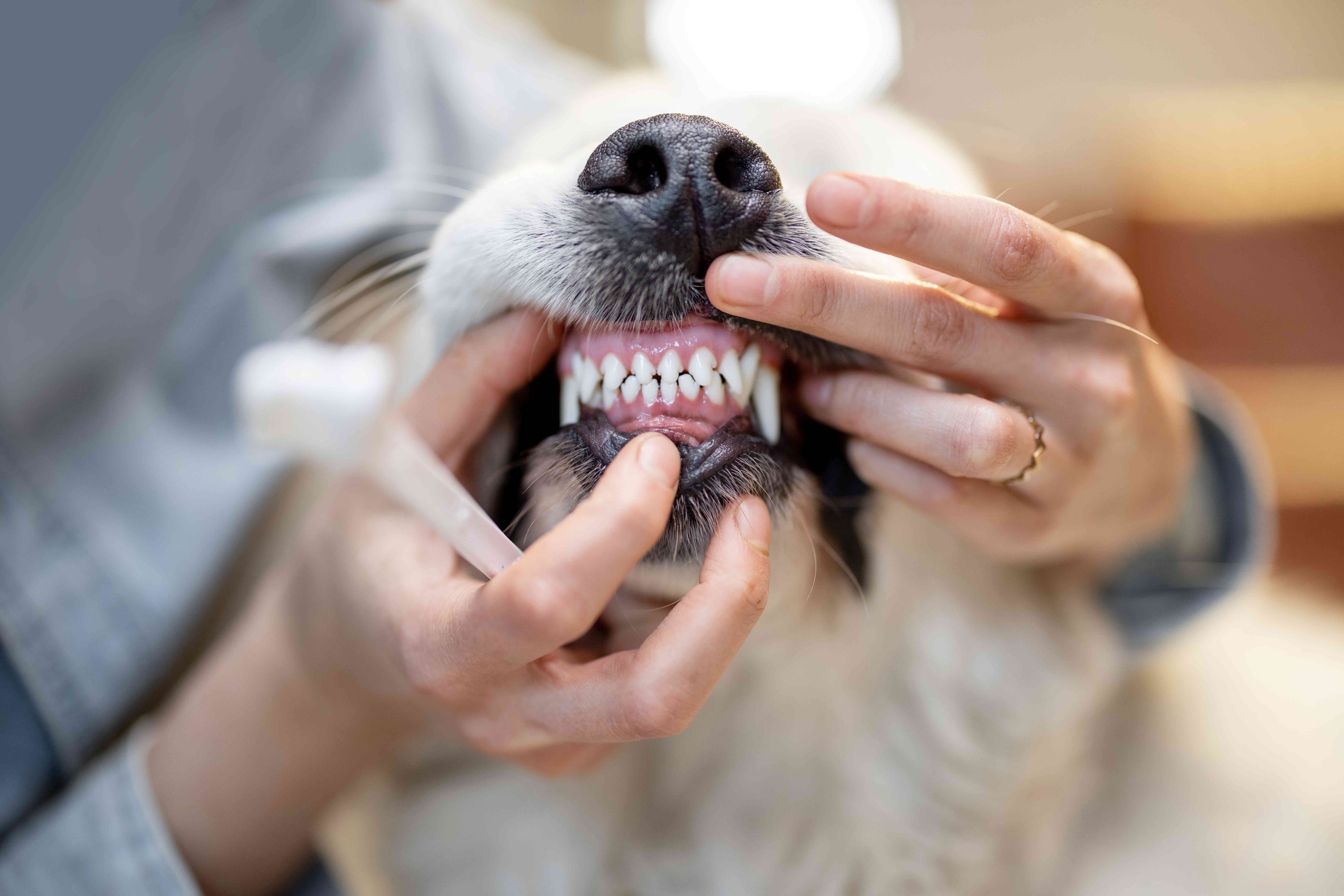
Take a peek inside your pet’s mouth every so often to check for redness, swelling, or anything unusual. Catching potential problems early makes a big difference!
Combining these at-home practices with regular professional cleanings ensures your pet enjoys a clean, healthy mouth and a happy, active life.
Show Love with Dental Care This February
February is National Pet Dental Health Month, the perfect time to show your pet how much you care by prioritizing their dental health. Good oral hygiene is essential for your pet’s overall well-being, helping them live a happier, healthier, and more comfortable life.
Make dental care part of your Valentine’s gift to your furry companion by:
- Brushing their teeth regularly.
- Offering VOHC-approved dental treats.
- Scheduling a professional dental cleaning with our vet to remove plaque and tartar and prevent gum disease.
Our vet is here to ensure your pet receives the best care possible, including a thorough oral exam, plaque removal, X-rays to detect hidden issues, and any necessary treatments.
This February, commit to an at-home dental care routine and schedule a professional cleaning with our vet. Showing your pet love through dental care is a gift that lasts all year!
A Healthy Smile Means a Happy Pet
Your pet’s dental care doesn’t just improve their oral health—it enhances their overall quality of life. From fresher breath to a reduced risk of systemic diseases, the benefits of proper dental hygiene are worth every effort. This February, celebrate Pet Dental Health Month by showing your pet the love and care they deserve. Call us today!